
Pooper Scooper Near Me: HOA & Commercial Waste Guide 2026
Property managers who search “pooper scooper near me” are rarely thinking about a single backyard. They are trying to keep entire apartment complexes, HOA common areas, and public parks clean, compliant, and complaint-free. In 2026, pet waste management has become a genuine operational priority for shared communities, and getting it right protects both residents and your budget.
This guide breaks down how to build a professional-grade pet waste program: where to place stations, which supplies actually hold up, and how to keep multi-family spaces sanitary without constant resident friction.
Why “Pooper Scooper Near Me” Matters for Property Managers
Shared spaces multiply the pet-waste problem. One neglected lawn is a nuisance; a hundred units with dogs is a liability. Uncollected waste drives resident complaints, attracts pests, damages turf, and can even trigger fines under local ordinances. That is why so many managers now type “pooper scooper near me” looking for reliable, bulk-ready solutions instead of consumer trinkets.
A well-run program signals a well-run property. Prospective tenants notice clean grounds and stocked waste stations, and current residents renew leases where the community feels cared for. Cleanliness is quietly one of the strongest retention tools you have.
The Real Cost of Poor Pet Waste Management
- Resident complaints that eat up staff hours and sour community reviews.
- Turf and landscaping damage from acidic waste left to sit.
- Pest and odor problems that spread across shared corridors and lawns.
- Regulatory fines where municipal codes require prompt removal.
- Water contamination risks that can violate stormwater rules.
The Environmental Protection Agency classifies pet waste as a source of water pollution, and many stormwater programs specifically target it; see the EPA guidance on pet waste for the regulatory picture. Compliance is not optional in many jurisdictions.
Building an Effective Dog Waste Station Program
A dog waste station is more than a post with a bag dispenser. Placement, stocking, and durability determine whether residents actually use it. Thoughtful design turns good intentions into consistent behavior.
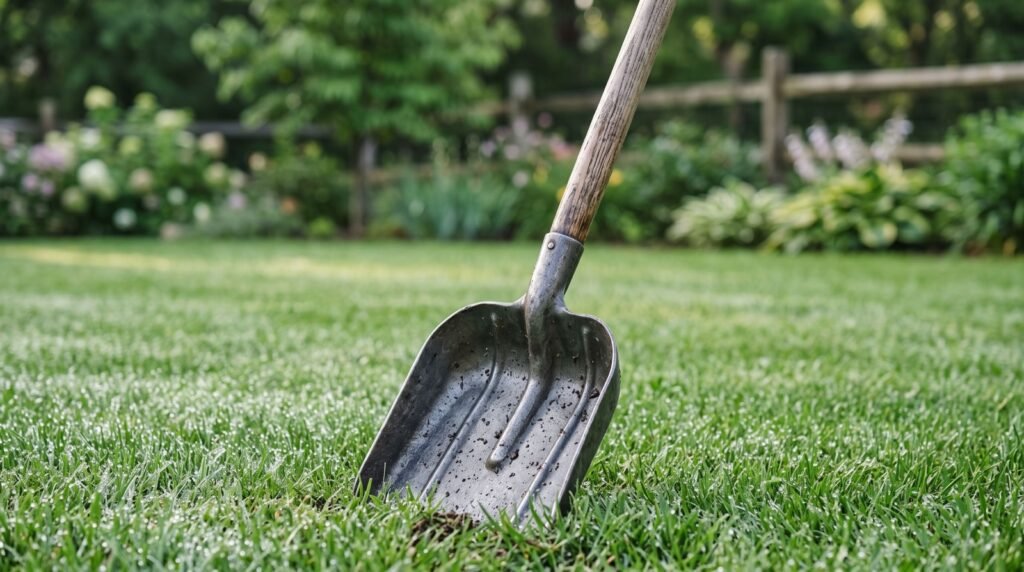
When you evaluate equipment, search for a commercial-grade Pooper scooper near me option that staff can use for large common areas, not just a bag dispenser. Grounds crews need tools that survive daily, heavy use across grass, mulch, and pavement.
Where to Place Stations for Maximum Use
- Near entrances and exits where dogs are walked most frequently.
- Along popular walking paths at 200 to 300 foot intervals.
- Beside dog parks or pet relief areas that concentrate activity.
- Near trash enclosures so full bags reach the dumpster quickly.
- At visible, well-lit corners that remind owners to do the right thing.
One practical insight from seasoned property teams: visibility beats quantity. Five well-placed, always-stocked stations outperform a dozen hidden or empty ones. Residents comply when the tools are impossible to miss and never out of bags.
How Do You Choose Bulk Supplies That Last?
Cheap bags are the fastest way to sabotage a good program. A bag that tears in a resident’s hand teaches them to stop bothering. For shared properties, invest in thick, leak-resistant bags and pair collection points with strong Heavy duty trash bags for the central dumpster stage.
Buying in bulk lowers your per-unit cost and prevents the dreaded empty-dispenser complaint. Standardizing on one durable product also simplifies reordering and training for your grounds staff.
Station Supply Comparison
| Component | Budget Option | Commercial-Grade Choice | Why It Matters |
|---|---|---|---|
| Pickup bags | Thin single-ply | Thick, leak-proof | Prevents tears and resident frustration |
| Collection scooper | Short plastic handle | Long-handle metal jaw | Durable for daily crew use |
| Disposal bags | Standard kitchen bags | Heavy duty trash bags | No punctures in the dumpster |
| Dispenser | Open bag roll | Weatherproof enclosed unit | Keeps supplies dry and stocked |
The upfront cost of commercial-grade gear pays for itself in fewer complaints, less staff time, and longer replacement cycles.
Encouraging Compliance Across Your Community
Even the best stations fail without resident buy-in. Communication and gentle enforcement work better than confrontation. Make the right choice the easy choice.
- Post clear signage that states the policy and the reason behind it.
- Include pet waste rules in the lease and HOA covenants.
- Send friendly reminders through your resident app or newsletter.
- Recognize good behavior rather than only penalizing violations.
- Apply fair fines only after warnings and clearly documented policy.
The American Kennel Club offers helpful etiquette resources you can share with residents; linking to the AKC expert advice library reinforces that your rules reflect widely accepted standards, not arbitrary demands.
When to Outsource Versus Handle In-House
Some properties keep waste management in-house with grounds staff, while others contract it out. High-density communities with large pet populations often benefit from scheduled service. Partnering with trusted professionals can free your team for higher-value work while guaranteeing consistent results.
Whichever route you choose, standardize your supplies. Consistent, durable equipment keeps quality steady whether the work is done by staff or a vendor.
Frequently Asked Questions
How many dog waste stations does an apartment complex need?
A common benchmark is one station per 30 to 40 units, placed along walking routes and near entrances. High pet-density properties may need more. Prioritize visibility and consistent restocking over sheer numbers.
What should I search to find the right commercial equipment?
Searching “pooper scooper near me” surfaces local and online suppliers, but focus on commercial-grade durability and bulk bag availability. For shared properties, tools built for daily heavy use outperform consumer models every time.
Are property managers legally required to manage pet waste?
Many municipalities regulate pet waste under stormwater and public health codes, and HOAs often set their own rules. Check local ordinances, because non-compliance can bring fines and even affect stormwater permits.
How do I stop residents from ignoring the stations?
Keep stations stocked, visible, and well-lit, then reinforce with clear signage and lease language. Compliance rises sharply when bags are always available and the policy is communicated positively rather than punitively.
Final Thoughts: Clean Shared Spaces Start With Smart Systems
Managing pet waste across an HOA or commercial property is a system, not a single purchase. When you stop searching “pooper scooper near me” for cheap fixes and instead build a program of well-placed stations, durable tools, bulk heavy-duty bags, and clear communication, cleanliness becomes self-sustaining in 2026. Your residents notice, your grounds thrive, and your compliance headaches shrink.
Ready to upgrade your community’s pet waste program? Explore commercial-grade scoopers and bulk heavy-duty bags at GoGo Stik, and give your property the clean, compliant shared spaces residents love.