The Ultimate 2026 Pooper Scooper Buyer’s Guide: Types, Features, and How to Choose
Choosing the right pooper scooper in 2026 can transform a dreaded chore into a two-minute routine. The market now offers dozens of designs, each built for a specific dog size, yard surface, and cleanup style. Yet most buyers grab the first tool they see and regret it within a week.
This guide cuts through the noise. We compare the four main pooper scooper types, break down handle length, and match each tool to grass, gravel, or pavement. By the end, you will know exactly which design fits your dog and your budget.
Why the Right Pooper Scooper Matters in 2026
Pet waste is not just unpleasant; it is a genuine environmental concern. The U.S. Environmental Protection Agency classifies uncollected dog waste as a nonpoint source pollutant that carries bacteria and nutrients into storm drains and waterways. A reliable tool makes consistent cleanup easy, which protects both your lawn and your local watershed.
There is a health angle too. The American Veterinary Medical Association notes that dog feces can harbor parasites like roundworms and giardia. Prompt removal with a proper scooper reduces the risk of reinfection for your pet and exposure for your family.
Comfort matters as well. A poorly designed handle forces you to bend, twist, and strain. The right tool keeps your back straight and your hands clean, which is why picking carefully pays off every single day.
The Four Main Pooper Scooper Types Compared
Nearly every product on the shelf falls into one of four categories. Each has clear strengths and honest weaknesses, so let us walk through them before comparing them side by side.
Rake-and-Pan Scoopers
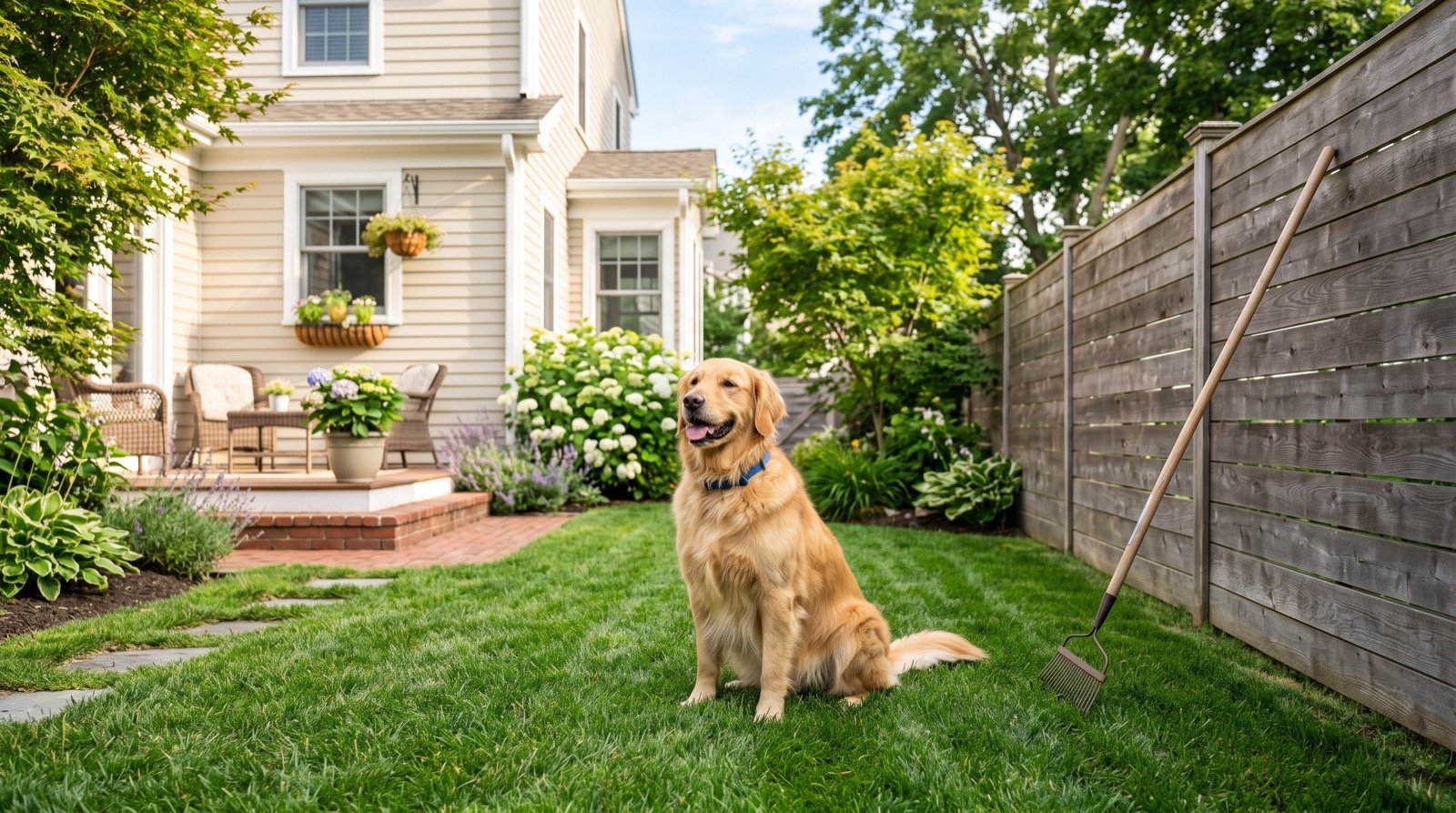
This classic two-piece design pairs a flat tray with a small rake. You drag the rake to sweep waste into the pan, then empty both. It works beautifully on grass because the tines pull debris out of the blades without scooping up dirt.
Jaw and Claw Scoopers
Jaw-style tools use a spring-loaded clamp that snaps shut around the waste. One squeeze grabs everything, which makes them ideal for gravel, mulch, and uneven ground where a flat pan would spill. Many urban owners prefer this design for its precision.
Scoop-and-Bag Scoopers
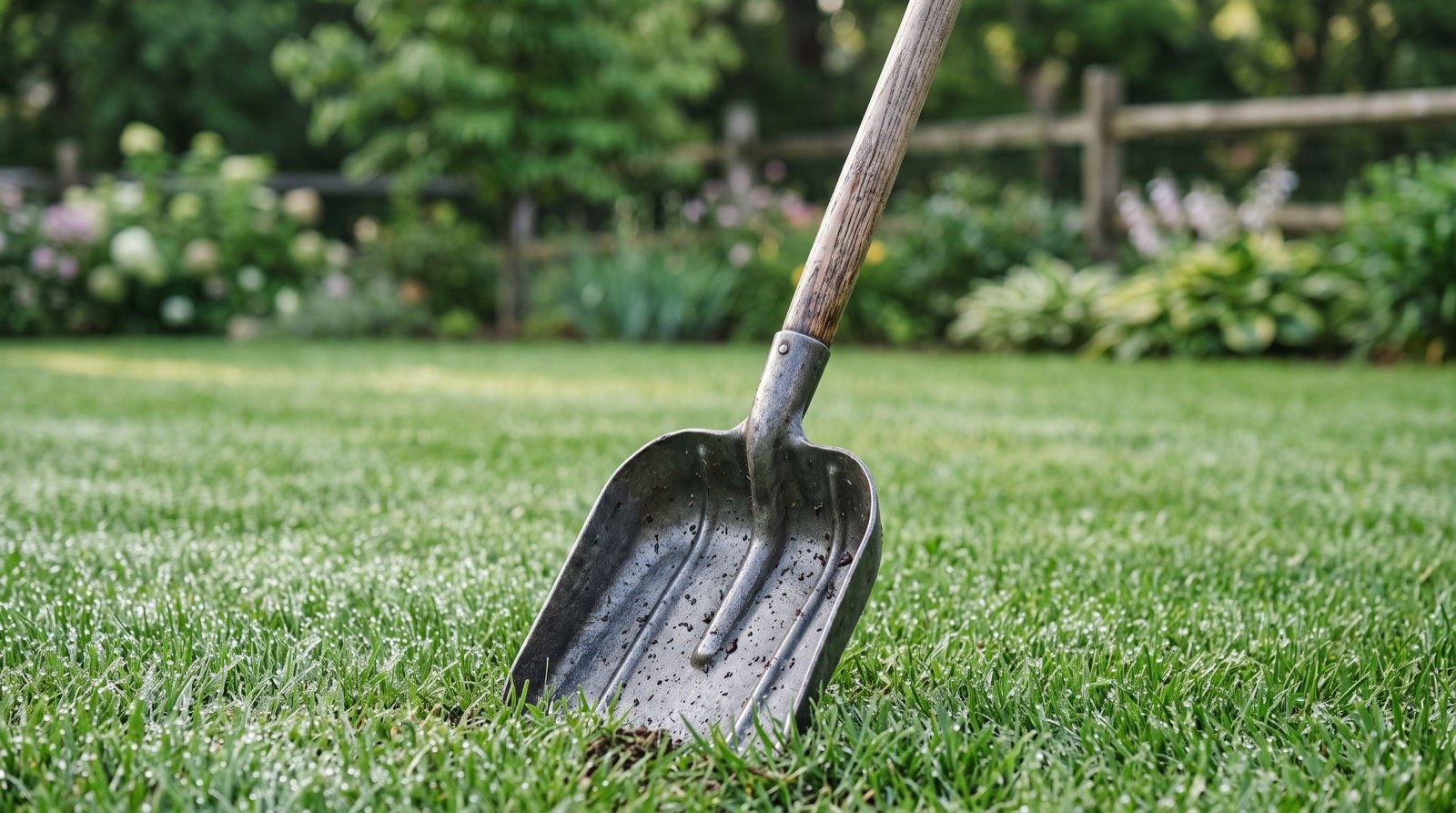
These integrate a bag holder directly into the scoop head. You clip in a bag, collect the waste, and seal it in one motion. This design keeps your hands the farthest from any mess and speeds up disposal dramatically.
Long-Handle Scoopers
Built for anyone who hates bending, long-handle models extend 30 inches or more. They suit seniors, people with back problems, and owners of large breeds who produce more waste to collect in a single pass.
Pooper Scooper Comparison Table by Handle, Surface, and Dog Size
The table below matches each pooper scooper type to the conditions where it performs best. Use it as a quick reference before you buy.
| Type | Typical Handle Length | Best Surface | Best Dog Size | Hands-Clean Rating |
|---|---|---|---|---|
| Rake-and-Pan | 28-36 in | Grass, lawn | Medium to large | High |
| Jaw / Claw | 20-32 in | Gravel, mulch, pavement | Small to large | Very high |
| Scoop-and-Bag | 10-24 in | Pavement, patios | Small to medium | Excellent |
| Long-Handle | 32-40 in | Grass, gravel, pavement | Large to giant | High |
Which Pooper Scooper Is Right for Your Yard?
Start with your dominant surface. If you clean mostly grass, a rake-and-pan or long-handle pooper scooper glides through blades without gouging soil. For gravel driveways or bark mulch, a jaw design grips waste while leaving stones behind.
Next, weigh your dog’s size. Toy and small breeds pair well with compact scoop-and-bag tools you can tuck into a jacket pocket. Giant breeds demand a wider pan and a sturdier handle that will not flex under load.
Finally, consider your body. If bending aggravates your back, prioritize handle length over everything else. A tool you can operate while standing upright is one you will actually use.
When you are ready to buy, a well-built Pooper scooper should feel balanced in your hand and lock securely between uses. Pair it with a durable carrier such as a heavy duty tool bag so your equipment stays organized on walks and trips.
A Quick Buying Checklist
- Match the head width to your dog’s waste volume.
- Choose rust-resistant aluminum or coated steel for longevity.
- Look for a non-slip grip that stays secure in wet weather.
- Confirm the mechanism works one-handed if you walk on a leash.
- Check whether replacement parts or bags are easy to source.
How to Clean and Store Your Pooper Scooper
Most owners forget that the tool itself needs care. A neglected scooper becomes a breeding ground for odor and bacteria, so a short maintenance habit keeps it hygienic for years.
Follow this simple routine after heavy use:
- Rinse the scoop head with a garden hose to remove residue.
- Spray a diluted vinegar-and-water solution over all surfaces.
- Scrub crevices with an old dish brush kept only for this purpose.
- Wipe the handle and hinge dry to prevent rust and squeaking.
- Hang the tool upside down in a ventilated shed or garage.
Here is an original tip most guides skip: rub a thin film of food-safe mineral oil on the metal hinge every month. It repels moisture, silences the spring, and extends the mechanism’s life far beyond the warranty. For homeowners who would rather outsource the chore entirely, reputable quality service providers can handle yard maintenance on a schedule.
Frequently Asked Questions
How often should I replace my pooper scooper?
A quality metal scooper lasts three to five years with proper cleaning. Plastic models wear faster and may need replacing every one to two years, especially if left in direct sunlight, which makes them brittle.
Can one pooper scooper work on both grass and pavement?
Yes. A jaw or long-handle design is the most versatile because it grips waste on any surface. If you clean multiple terrains daily, prioritize these types over a flat-pan model that struggles on hard ground.
Is a pooper scooper better than just using bags by hand?
For most owners, yes. A scooper keeps your hands farther from waste, reduces the risk of tearing a bag, and saves your back during large cleanups. Bags still work for quick single walks, but a tool wins for yard duty.
How do I stop my scooper from smelling?
Rinse it after every heavy use and disinfect it weekly with a vinegar solution. Storing it in a ventilated space rather than a sealed bin prevents trapped moisture, which is the main cause of lingering odor.
Conclusion
The best pooper scooper in 2026 is the one matched to your surface, your dog, and your body. Rake-and-pan tools rule the lawn, jaw designs conquer gravel, scoop-and-bag models keep hands cleanest, and long-handle versions save your back. Add a simple cleaning routine, and any of them will serve you for years.
Ready to upgrade your cleanup game? Compare the durable designs at gogostik.com today and pick the pooper scooper that turns a daily chore into a quick, tidy habit.